 MealMuse
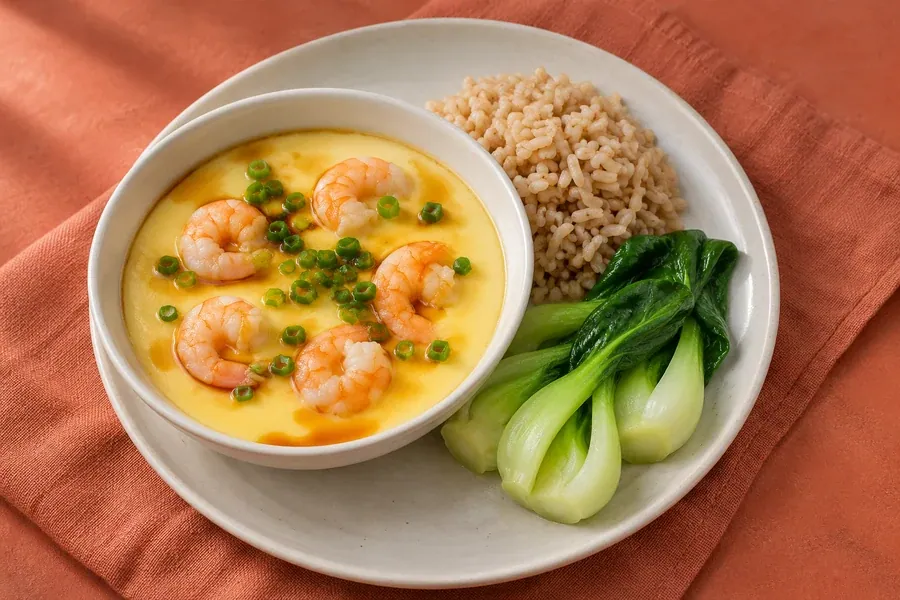
Shrimp egg custard with brown rice
Chinese-inspired · Cantonese steamed water-egg inspiration with shrimp; served as a complete adapted dinner with brown rice and bok choy.
Gently steamed savory egg custard with shrimp and scallion, served with bok choy and a modest brown-rice side.
How to make shrimp egg custard with brown rice
Before you start
Ingredients are scaled for 4. Measure these amounts first. Use a wider pan or batches for larger portions.
- Thaw and dry shrimp
Use the raw, peeled shrimp specified in the ingredients. If frozen, thaw according to the pack before starting and pat dry. Pre-cooked shrimp will overcook if given the full raw-shrimp cooking time.
- 1
Start the brown rice
Cook brown rice with its packet water ratio and cooking time, usually 30-40 minutes. Its cooking water is additional to the custard water listed. Keep warm.
What to look forRice is tender with its usual chewy texture.
Start rice first so the custard need not wait.
- 2
Strain the egg mixture
Beat the weighed egg gently with salt and the listed lukewarm water. Strain into shallow heatproof bowls, with the mixture no deeper than 3 cm. Skim bubbles and distribute raw shrimp in a single layer. Clean raw-shrimp utensils before handling cooked food.
What to look forEgg mixture is smooth and shrimp are evenly spaced.
Use more bowls rather than one deep bowl for larger portions.
- 3
Steam gently
Cover each bowl loosely with a heatproof plate or foil to keep condensation off. Steam over gently simmering water for 18-25 minutes, depending on depth. Check custard reaches 71°C / 160°F and shrimp at least 63°C / 145°F; extend cooking if needed.
What to look forCenter is set with a slight wobble and no liquid egg remains.
Lift lids away from your face and avoid a violent boil that makes the custard porous.
- 4
Cook the bok choy
Remove custard bowls using heatproof mitts. Steam bok choy for 5-7 minutes until stems are tender, or use a separate steamer compartment while the custard cooks.
What to look forLeaves are wilted and stems are tender.
Keep raw shrimp utensils away from cooked vegetables.
- 5
Finish the dinner
Spoon soy sauce and sesame oil over the custard, scatter scallions and serve with brown rice and bok choy. Divide all components evenly.
What to look forEach serving includes custard, shrimp, greens and rice.
The rice is part of the meal; total carbohydrate is not calculated here.
Tips & troubleshooting
Food is pale and releasing water
Give pieces more space and let surface moisture evaporate. Brown in batches when needed, then continue with the method; raising the heat sharply can scorch the outside before the center is ready.
The sauce is too thick or too thin
If it catches before the ingredients finish cooking, reduce the heat and stir in water a spoonful at a time. If too thin, simmer gently uncovered, stirring and checking often. Remove cooked delicate ingredients first if further simmering would overcook them.
Plan, shop & keep this dinner
Cooking sequence
Start brown rice first. Prepare shallow custard bowls while it cooks, steam gently and then cook bok choy. Bigger portions need more shallow bowls, not deeper custard.
Choose the right ingredients
Buy raw peeled deveined shrimp, eggs and brown rice. Weigh egg without shell and measure the listed custard water separately from additional rice-cooking water.
Prepare ahead
Wash bok choy, prepare rice equipment and measure seasonings first. Mix the egg and add raw shrimp shortly before steaming; keep both chilled beforehand.
If the texture is not right
Bubbles and holes often follow vigorous boiling or trapped foam. Strain the mixture, skim bubbles and shield from condensation. A trembling surface still needs the method thermometer checks.
Storage & reheating
Store custard, rice and greens separately. Reheat custard covered and gently until hot throughout; the delicate texture becomes firmer with reheating.
Refrigerate perishable leftovers promptly in shallow containers. Reheat hot leftovers to 74 C / 165 F throughout. Follow any shorter recipe or package limit. See USDA leftover storage guidance and reheating guidance.
Need a hand at the stove?
Find a practical next step for this dinner.
How to fix undercooked rice
Read the guideHow to fix mushy rice, and when to change the dish
Read the guideTemperature guidance: USDA safe minimum internal temperatures.
Recipe references
Page information updated .
More dinner ideas
Explore dinners with similar ingredients, cuisine or dinner type.
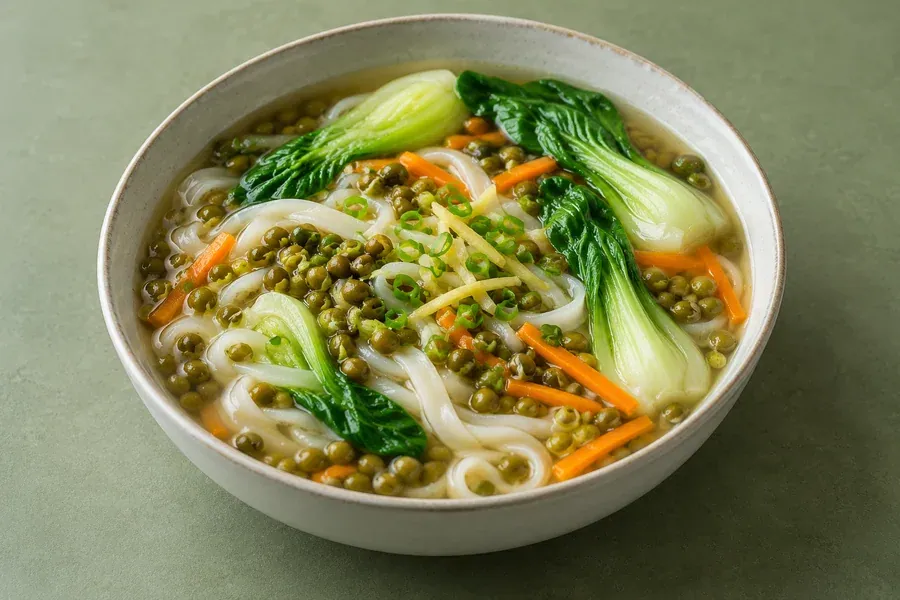 Mung bean & bok choy noodle soup
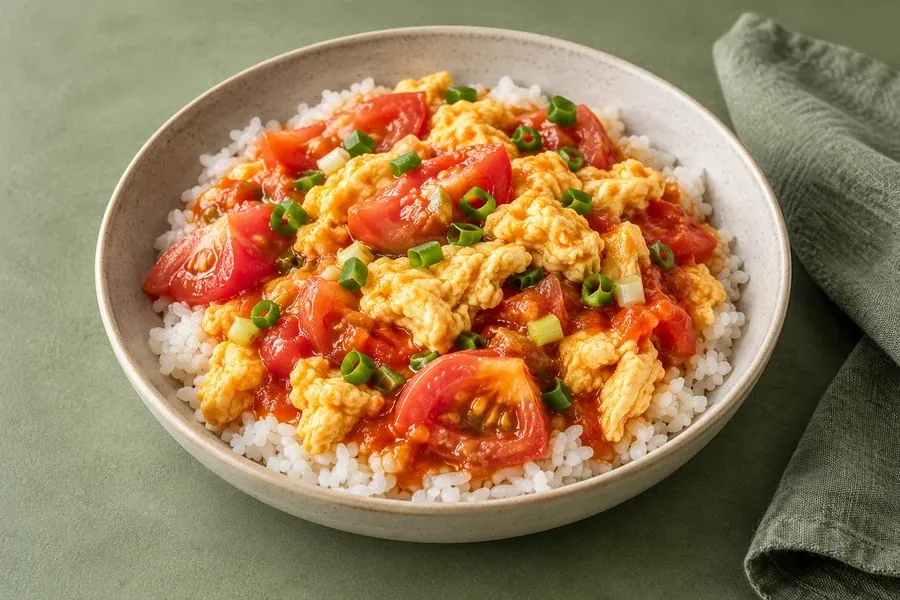 Tomato & egg stir-fry with rice
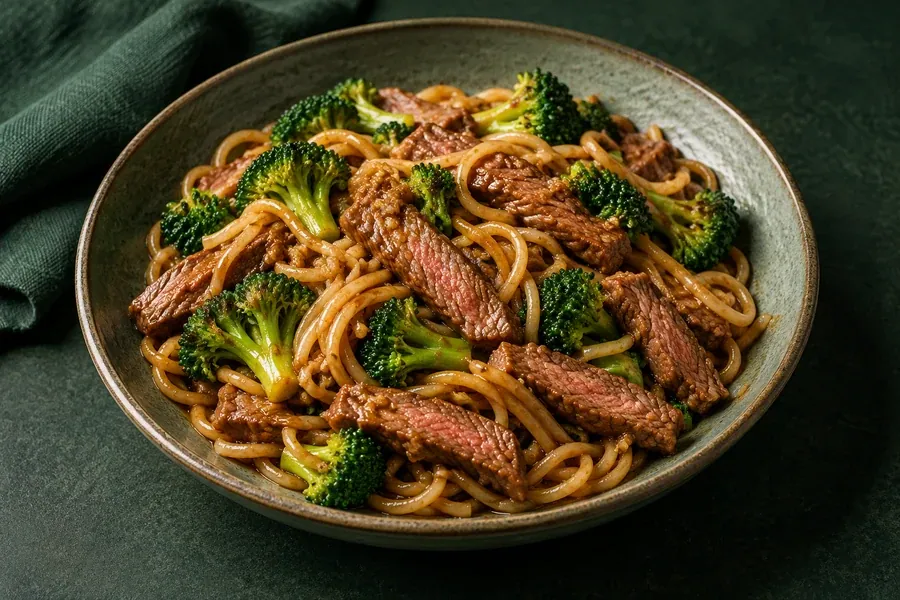 Ginger beef & broccoli noodles